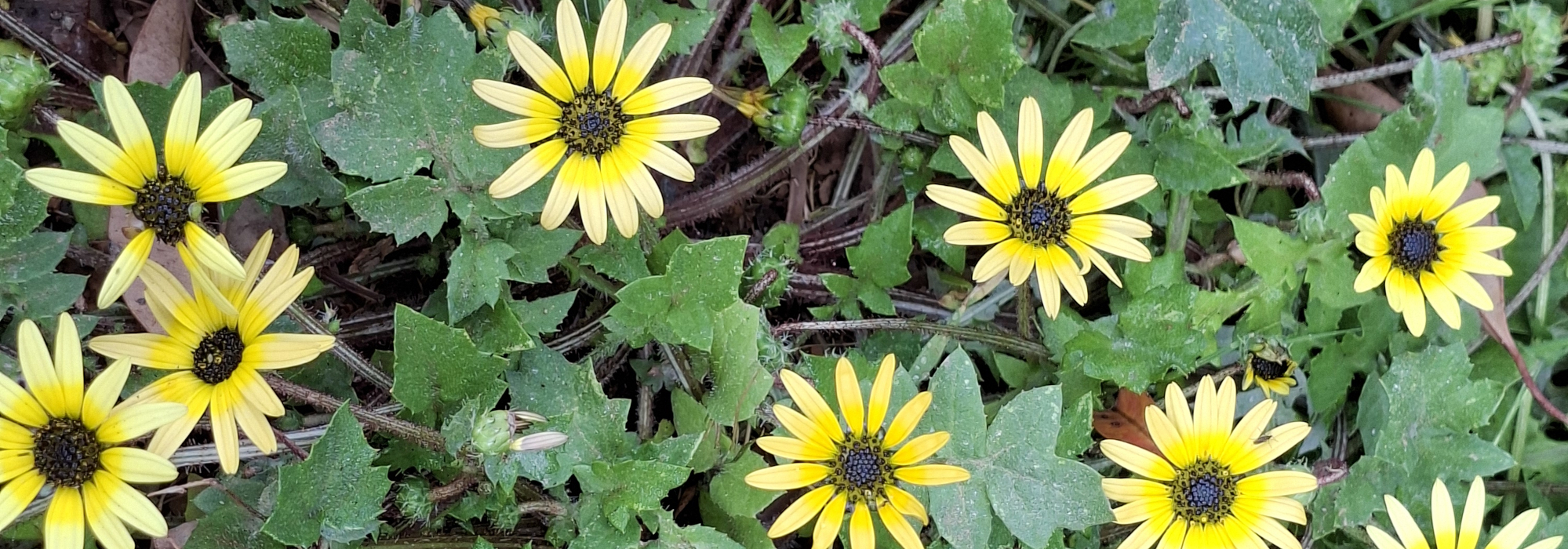

Other Common Names: Cape daisy, Cape dandelion, Cape marigold, Cape weed, Marigold, Plain treasure flower, Silverspreader, South African Capeweed, Fertile Capeweed
Cape weed
Arctotheca calendula
Quick facts

Status
permitted s11

Life Cycle
Annual

Growth Form
Herb

Origin
South Africa

Flowers
Yellow

Dispersal
Wind, soil movement
Names

Form and function
Flowers
Leaves
Seed
Roots
Habitat
How does it spread?
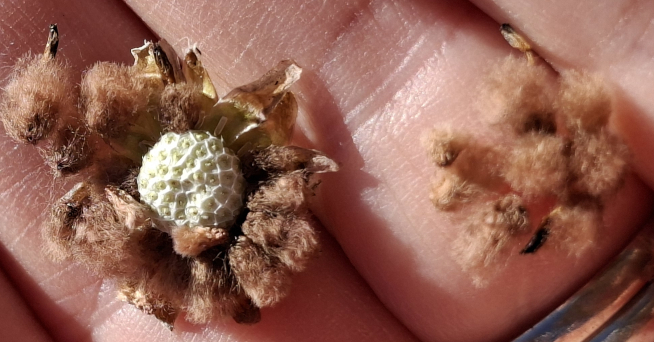
Why is it a weed?
May be confused with...
History
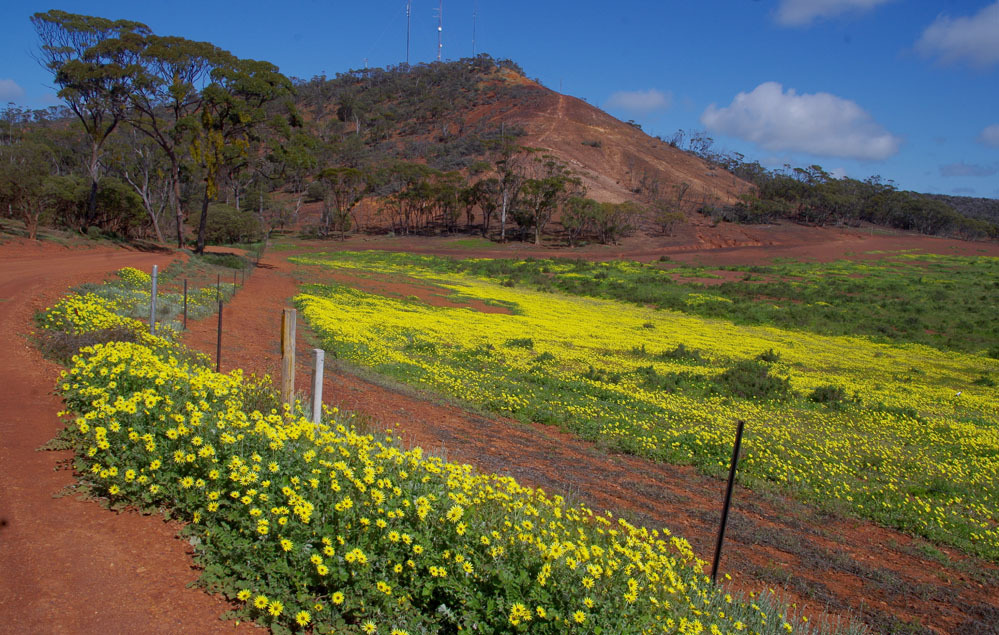
How to control


Physical
Physical control including hand pulling and grubbing has been proven as a good (80-95%) control method when ensuring that all parts of the plant are removed. Small infestations can be managed by hand pulling and grubbing the plant before flowering, ensuring the root is severed well below ground level to prevent re-sprouting from the crown.
Other methods such as slashing with a mower or handheld brush cutter may facilitate further spread, however if repeated regularly and close to the ground, can provide some control when combined with chemical control.
Chemical
All herbicide is best applied during budding and early growth stages. Flowering starts as early as August and planning for spraying should anticipate this.
Non-selective herbicides
For small infestations, spot spray 10mL of glyphosate (450g/L) in 10L of water using a foliar application method.
Selective herbicides
For small infestations, apply 2.5 gms of Clopyralid (750g/kg) plus 25 ml of a wetting agent with 10L of water. Alternatively, 100-150 ml of MCPA (570g/L) in 10L.
For larger infestations, foliar spraying with 120g/Ha of Clopyralid (750g/kg) plus 0.25% wetting agent using a boom sprayer, ensuring full leaf coverage and spraying the leaves until just wet. This method is fairly selective and is safe on many native species.
Managerial
Revegetate and replant native shrubs and taller species to reduce light levels and increase shade, creating conditions that are unfavourable for capeweed growth and spread. These plants can effectively shade out weeds. Revegetation is often combined with mulching which can be done by applying an organic mulch to the affected area to further suppress the weeds and improve soil health. This should be done before the capeweed flowers and sets seed.
 PER96570 - Glyphosate
Weed Distribution Map
LSID number: [51267241] | full LSID: [https://id.biodiversity.org.au/taxon/apni/51267241] | field_lsid: [] | taxon: [Arctotheca calendula]
ALA Reference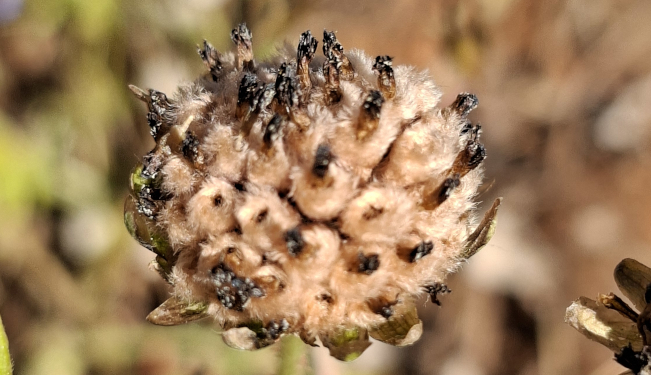
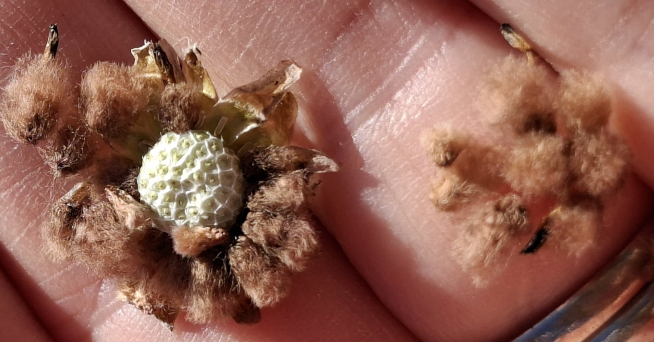
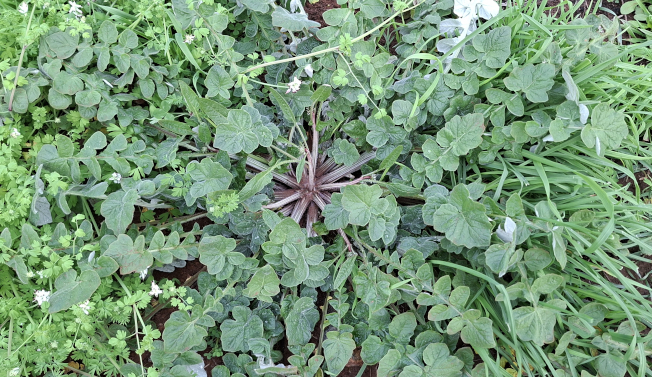
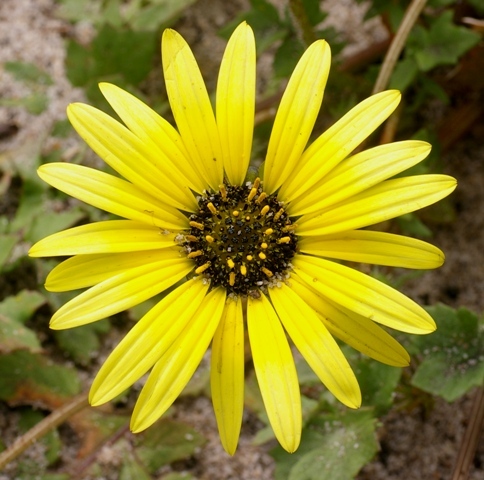
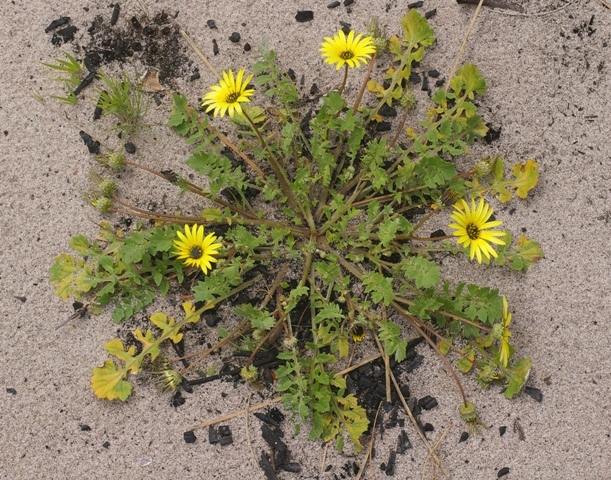
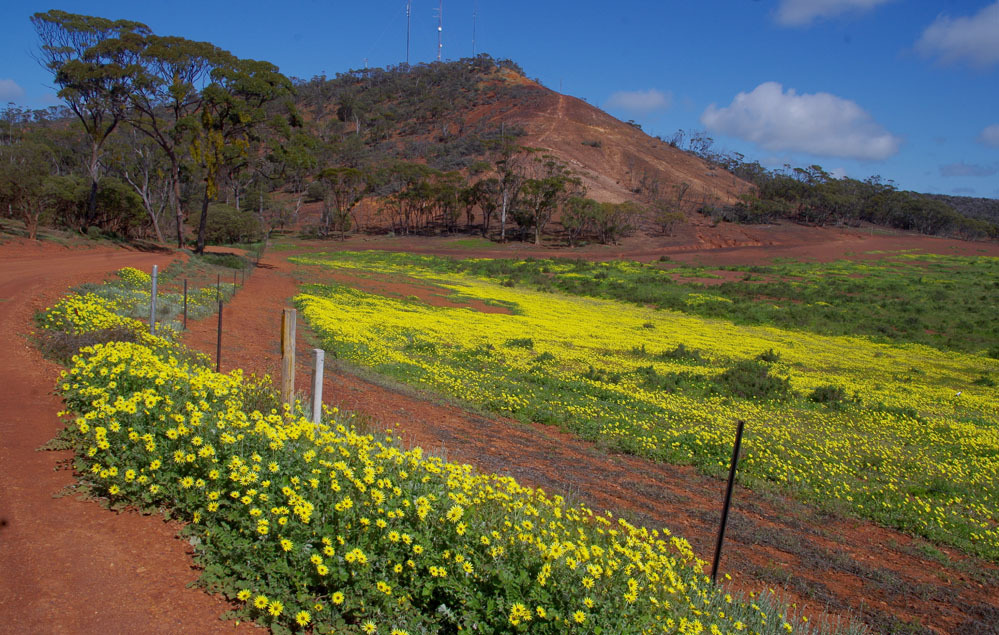
References
-
 Atlas of Living Australia. (n.d.).
Arctotheca Vaill.
Atlas of Living Australia. (n.d.).
Arctotheca Vaill.
-
DPIRD, Western Australia. (2024)
Capeweed and its management. Department of Primary Industries and Regional Development, Perth.
-
Linder, D. (2015, August).
Capeweed: Effects and Management in Western Australia.
-
Moore, J., & Wheeler, J. (2008)
Southern weeds and their control. Department of Agriculture and Food, Western Australia.
-
UC Davis Department of Plant Sciences. (n.d.)
Weed Management Notes. Weed Research and Information Center.
-
Weeds of Australia. (n.d.)
Arctotheca calendula (L.) Levyns. Weeds of Australia.
-
Western Australian Herbarium (1998–)
Florabase—the Western Australian flora. Department of Biodiversity, Conservation and Attractions
-
Wood, H. (1994).
The introduction and spread of capeweed, Arctotheca calendula (L.) Levyns Asteraceae) in Australia. Plant Protection Quarterly , 9(3), 94–100.
Life Cycle
| JAN | FEB | MAR | APR | MAY | JUN | JUL | AUG | SEP | OCT | NOV | DEC | Notes | |
|---|---|---|---|---|---|---|---|---|---|---|---|---|---|
| Germination | |||||||||||||
| Active growth | |||||||||||||
| Flowering | |||||||||||||
| Fruiting |
Regularly or most commonly
Occasionally, given suitable conditions
Management
| JAN | FEB | MAR | APR | MAY | JUN | JUL | AUG | SEP | OCT | NOV | DEC | Notes | |
|---|---|---|---|---|---|---|---|---|---|---|---|---|---|
| Hand removal | |||||||||||||
| Foliar spray |
Optimal
Potentially, but conditionally dependent